Taking your practical driving test
Taking your practical driving test in bridgend
Clear, calm guidance to help you pass your practical driving test in Bridgend. Your test begins at the Bridgend Driving Test Centre,
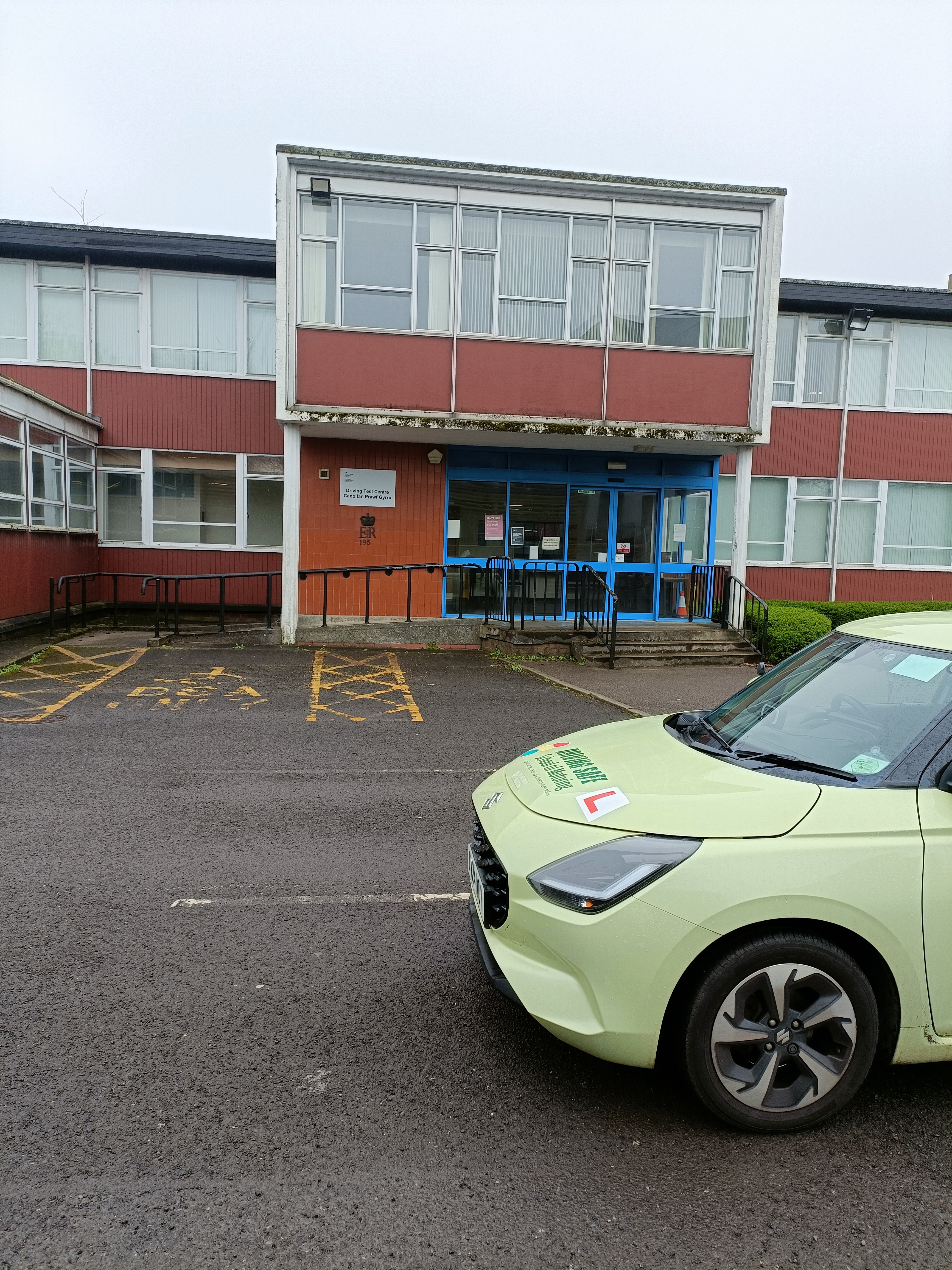
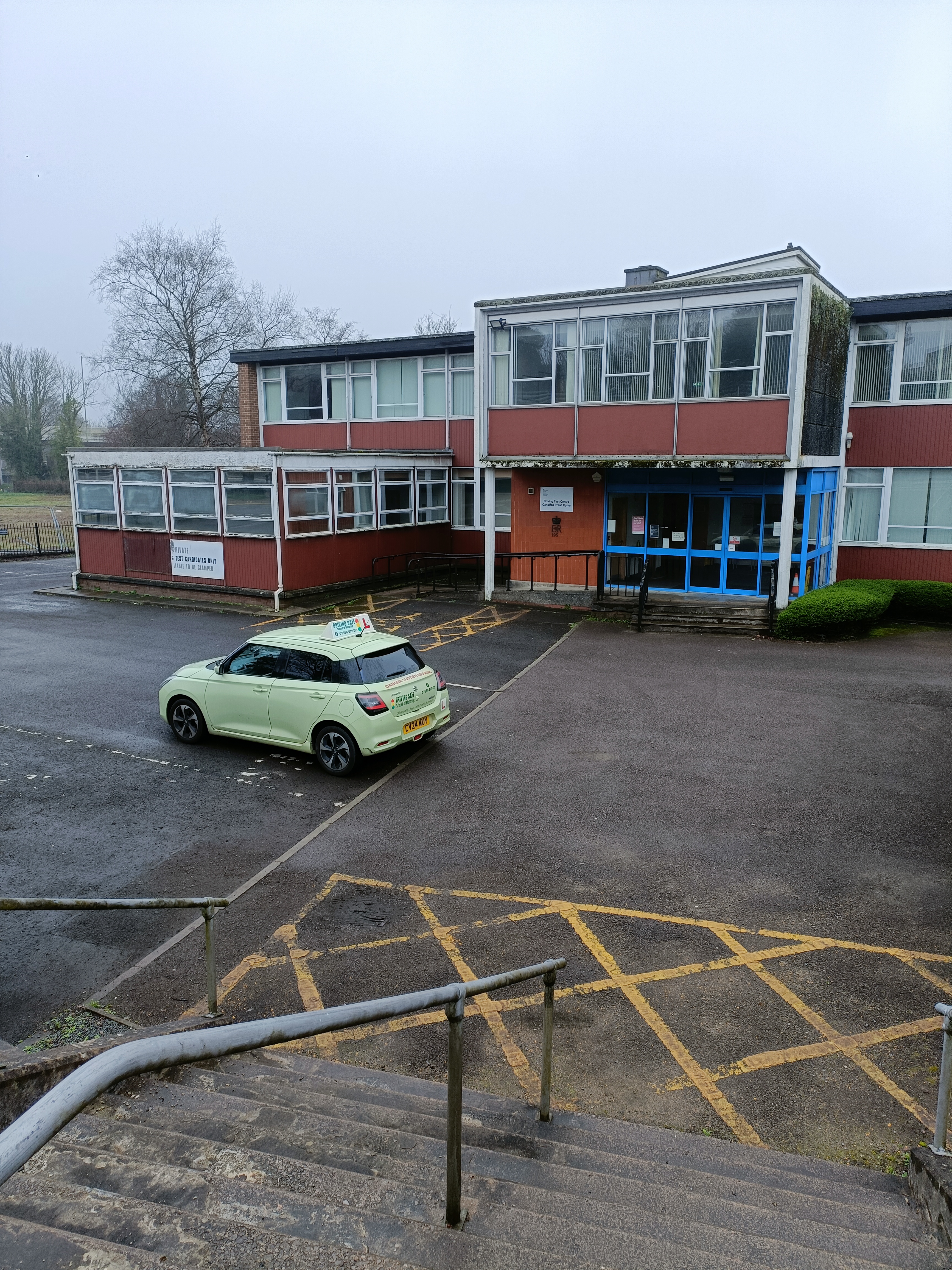
“See our Bridgend driving test centre guide for photos and layout.” where you’ll park in the designated bays and wait to be called in. The examiner will check your licence, explain the test format, and start with a simple eyesight check outside the building. Once the test begins, you’ll leave the centre car park and join local roads that typically include town‑centre traffic, tight estate streets, and larger roundabouts around the A473 and A48.
what to Expect on Test Day
Arrival and ID
Park in the test centre bays and present your photocard driving licence.
Eyesight Check
A basic number‑plate check is carried out before you drive.
Show Me, Tell Me
One vehicle‑safety question before driving and one during the test.
On‑Road Driving
A mixture of urban, residential, and higher‑speed roads to assess safe, independent driving.
Independent Driving
Around 10–20 minutes following road signs or a sat‑nav.
One Reversing Manoeuvre
Typically bay parking, parallel parking, or pull up on the right and reverse.
Possible Emergency Stop
Requested at the examiner’s discretion.
Feedback
The examiner explains any faults and the test outcome at the end.
How the Practical Test Works in Bridgend
The test lasts around 40 minutes. After the eyesight check and Show Me Tell Me question, the examiner will take you through a route that reflects Bridgend’s typical driving conditions: narrow estate roads, parked cars, multi‑lane roundabouts, and sections of A‑road. You’ll complete approximately 20 minutes of independent driving, perform one reversing manoeuvre, and may be asked to carry out an emergency stop.
The examiner assesses:
- Safe control
- Clear observations
- Correct signalling
- Hazard awareness
- Sound decision‑making
Common Bridgend Driving Test Routes
Bridgend’s test routes expose learners to a wide mix of real‑world driving conditions: town‑centre traffic, tight residential estates, multi‑lane roundabouts, and faster A‑roads.
Typical areas include:
- Angel Street and Park Street
- Heol‑y‑Nant
- Llangewydd Road
- Cefn Glas Road
- Broadlands
- Derwen
Quieter estates like Cefn Glas, Broadlands, and Derwen are often used for manoeuvres. Larger roundabouts on the A48 and A473 appear frequently to assess lane discipline and judgement. Some routes include stretches of the A473 dual carriageway, where safe merging and speed control are essential.
Key Challenges Learners Often Face
Multi‑lane roundabouts
Correct lane choice and signalling are essential.
Estate roads with parked cars
Require careful meeting‑traffic decisions and good clutch control.
Speed‑limit changes
Especially on the A473.
Tight residential corners
Common in Cefn Glas and Broadlands.
Independent driving sections
Often use A48/A473 junctions or sign‑posted local routes.
Common Manoeuvres on Bridgend Routes
Examiners typically ask for one reversing manoeuvre from the DVSA list. Local quiet streets in Broadlands, Parc Derwen, Cefn Glas, and Llangewydd Road are commonly used. “Make sure you’re confident with your car controls before attempting these manoeuvres.”
- Bay Parking (forwards or reverse)
- Parallel Parking
- Pull Up on the Right and Reverse
- Forward Bay Parking (exit manoeuvre)
- Emergency Stop (randomly, roughly 1 in 3 tests)
Common Faults and Why They Happen
Observation mistakes
- Not checking mirrors before changing speed or direction
- Poor blind‑spot checks when moving off
- Rushing junctions
- Weak lane observation on roundabouts
Planning & positioning mistakes
- Incorrect lane choice
- Cutting corners
- Driving too close to parked cars
- Late speed adjustments
Control mistakes
- Stalling
- Rolling back on hills
- Over‑steering or under‑steering
Independent driving mistakes
- Following the sat‑nav too literally
- Missing signs
- Over‑focusing on directions
Manoeuvre mistakes
- Poor all‑round observation
- Not stopping for passing traffic
- Incorrect finishing position
Pressure‑related mistakes
- Trying to be perfect
- Over‑correcting
- Excessive hesitation
Observation mistakes
- Not checking mirrors before changing speed or direction.
- Poor blind‑spot checks when moving off.
- Rushing junctions or creeping out without full assessment.
- Weak lane observation on multi‑lane roundabouts.
Planning and positioning mistakes
- Incorrect lane choice on large roundabouts.
- Cutting corners on right turns in narrow streets.
- Driving too close to parked cars.
- Late speed adjustments for bends or junctions.
Control mistakes under pressure
- Stalling at busy junctions or roundabouts.
- Rolling backwards on hill starts.
- Over‑steering or under‑steering during manoeuvres.
Independent driving mistakes
- Following the sat‑nav too literally and missing hazards.
- Missing road signs, especially speed‑limit changes.
- Over‑focusing on directions instead of safe driving.
Manoeuvre‑related mistakes
- Poor all‑round observation while reversing.
- Not stopping for passing traffic during manoeuvres.
- Incorrect finishing position in bays or at the kerb.
Pressure‑related mistakes
- Trying to be perfect instead of safe.
- Over‑correcting after a small mistake.
- Excessive hesitation at junctions.
How to Avoid These Mistakes
Stay ahead of hazards
- Look further ahead
- Use mirrors before every change
- Commit to safe decisions
Keep control under pressure
- Set up speed early
- Pause before manoeuvres
- Reset after small mistakes
Manage roundabouts confidently
- Choose your lane early
- Match speed to traffic
- Look across the roundabout
Manoeuvres with confidence
- Stop reversing if anyone approaches
- Position the car properly
- Keep your head moving
Stay calm during independent driving
- Drive the road, not the device
- Ask for clarification if needed
- Maintain your routine
Mental Preparation for Test Morning
Start the day settled and focused. Give yourself plenty of time, eat lightly, stay hydrated, and avoid excess caffeine. Visualise the first few minutes of the drive. When you arrive at the test centre, take a slow breath and remind yourself the examiner is checking for safe, consistent driving — not perfection.
What Happens After Your Practical Driving Test
When you return to the Bridgend test centre and park up, the examiner will ask you to switch off the engine and relax.
If you pass
- You’ll receive your pass certificate
- Your full licence will be processed automatically
- You can drive on your own immediately
If you don’t pass
- The examiner will explain the faults
- You’ll receive a printed or digital report
- You can review it with your instructor and plan next steps
When you return to the Bridgend test centre and park up, the examiner will ask you to switch off the engine and take a moment to relax. They’ll then tell you whether you’ve passed or not before giving feedback.
- If you pass — the examiner will explain how your pass certificate works and confirm that your full licence will be processed automatically. You can drive on your own straight away if you have the certificate with you.
- If you don’t pass — the examiner will go through the faults recorded, explaining what happened and why. You’ll receive a printed or digital report to review with your instructor and plan your next steps.
Test Centre Exit Pro Tip
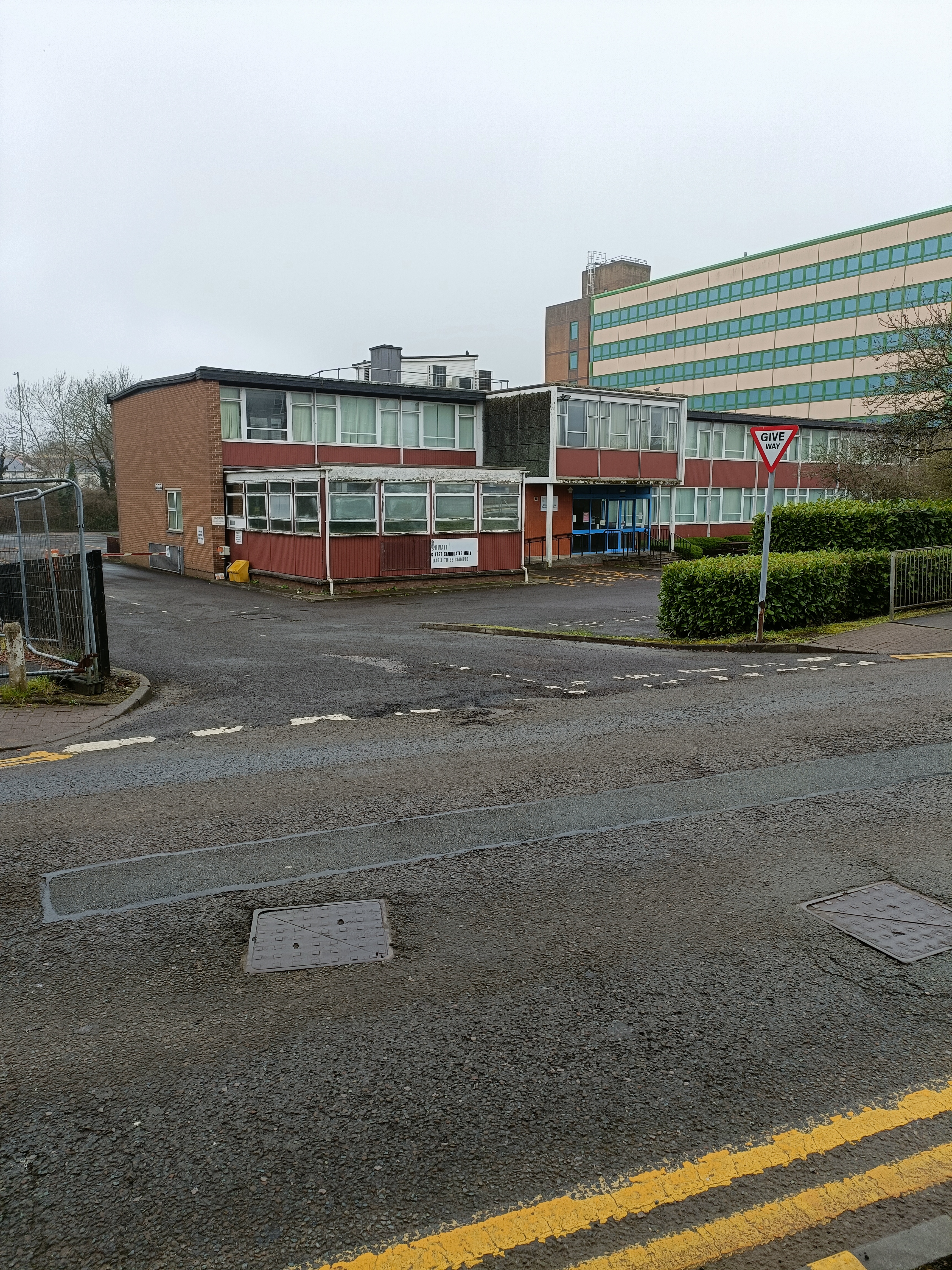
The test centre exit is a steep incline onto the main road and is a closed junction. Make a definite stop, indicate, and look both ways before pulling off. If turning right, avoid over‑steering and crossing the white line into the oncoming lane — these are common mistakes.
Ready to Practise These Routes?
Book a mock test or focused lesson to target your weak areas.
📞 Call 07568 570315
📩 Or use the contact form to check availability.
Frequently Asked Questions
How long is the practical driving test in Bridgend?
Around 40 minutes, including independent driving and one manoeuvre.
What manoeuvres are most common?
Bay parking, parallel parking, or pull up on the right and reverse.
What are the hardest parts of the Bridgend test routes?
Multi‑lane roundabouts, tight estate roads, and sudden speed‑limit changes.
How many faults can I get and still pass?
You can get up to 15 driving faults, but no serious or dangerous faults.
What happens if I fail?
You’ll receive feedback and a report to help you prepare for your next attempt.
If you’d like help preparing for your driving test, book a lesson with Driving Safe School of Motoring and get local, route‑specific training.
Useful Links